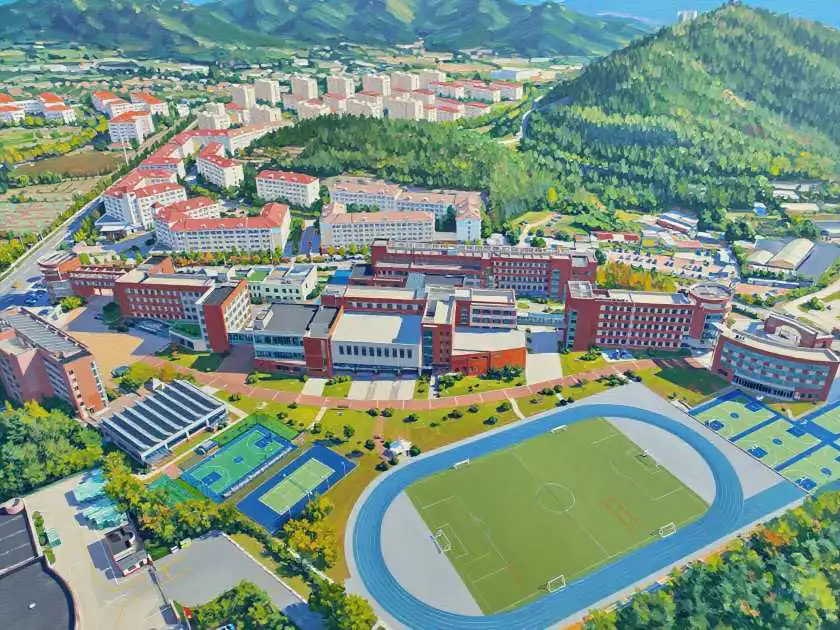
Living in Qingdao with children can feel surprisingly straightforward once you understand two things: how schooling really works here, and which neighborhoods match your family’s routines. At QISS (a WASC-accredited international school in Qingdao, China), we’ve helped new families settle for decades-expat families, Chinese families relocating within China, and business professionals arriving on short timelines. In this guide, our team shares what daily life looks like, what education options exist, what costs to plan for, and the practical steps that make your first 90 days smoother.
(If you’re new to our community, you can also start at the QISS homepage to see our campus and programs.)
1) Education Options and School Systems When Living in Qingdao with Children
Education is the biggest decision most families make after housing. In our experience, your best fit depends on passport status, long-term plans (stay in China vs. overseas university), language readiness, and how your child handles transitions.
International Schools (Expat-Focused, Overseas Pathways)
International schools typically teach in English, follow an international curriculum, and support transitions between countries. At QISS, we focus on stable teaching teams, clear academic pathways, and student support because relocation stress is real for kids.
A practical “Qingdao shortlist” (what families usually compare):
- QISS (WASC-accredited; international pathways; strong transition support)
- Other international schools in Qingdao (often smaller communities; different curriculum mixes)
- International departments/programs attached to local schools (may have restrictions and different student profiles)
To compare schools across China (not just Qingdao), many parents use this checklist-style guide: Comparing International Schools In China For New Families.
What to compare (quick view):
- Accreditation (look for WASC or equivalent external review)
- Curriculum & outcomes (AP/other pathways, university counseling)
- Language support (EAL/ELL and Mandarin support)
- Student support (transition counseling, learning support, well-being)
- Fees clarity (what’s included vs. add-ons)
For a Qingdao-specific overview families often ask for, read: Best International School In Qingdao, China, For Your Child.
Bilingual/Private Schools (Mixed Pathways, Chinese + English)
Bilingual schools can be a strong fit for families planning a long stay in Qingdao while still building English strength and international-curriculum skills. Quality varies more than many parents expect, so we suggest asking for proof, not promises:
- How many hours/week are taught in English (per grade)?
- Are core subjects taught bilingually (not only “English class”)?
- What outcomes are realistic: Zhongkao/Gaokao, overseas universities, or both?
- What is the class size and teacher turnover?
For Chinese domestic relocating families, bilingual schools can reduce pressure around school district housing while keeping doors open.
Local Public Schools (Chinese System, Strong Academics, Policy Limits)
Public schools follow the Shandong education system and can be academically demanding. Many are excellent in math, literacy, and classroom discipline, but you should expect:
- Large classes and faster pacing
- More homework (especially in upper primary and middle school)
- Less individualized support for non-native Chinese speakers
Admission is tightly linked to hukou registration and address-based enrollment, so this route is usually most viable for Chinese citizens (and some foreign children only under specific local policies). For families moving between Chinese cities, the “best school” question often becomes a housing question. You’ll hear people talk about school district housing – homes priced higher because of the assigned school. We encourage families to weigh commute time and child stress as seriously as test scores.
Admissions Timelines, Documents, and what “on-time” means
Families do best when they plan backward from an intended start date:
- International schools: many accept rolling applications, but popular grades fill early. Aim to apply 3–6 months before entry; for August starts, many families submit by February–April.
- Bilingual schools: often have testing windows; mid-year entry may be limited.
- Chinese public schools: tied to local annual enrollment windows; document checks can be strict.
Documents to prepare (typical):
- Passport/ID and visa/residence documents (for expat children)
- Previous transcripts/report cards (2–3 years if possible)
- Immunization record
- Any learning support reports (if relevant)
At QISS, our admissions team schedules tours and child-friendly trial days when possible, because your child’s comfort matters as much as academics. A quick snapshot of what we prioritize is here: Best International School In Qingdao For Your Child Bright Future.
Educational Costs (Tuition + “real total cost”)
International and bilingual tuition is usually the biggest line item. Also budget for:
- Application/enrollment fees
- Bus fees (if offered)
- Lunch plans
- Uniforms, devices, and optional trips
- Exams or external assessments (varies by curriculum)
When our families plan, we recommend asking schools for a full-year cost sheet, not only tuition.
Extracurriculars and “after-school life”
Qingdao family life often revolves around after-school time: sports, music, language study, and weekend outings. Typical options families use include football, basketball, swimming, sailing, dance, robotics, art, and coding. Look for programs that build friendships quickly for newcomers, especially for expat children arriving mid-year.
We also encourage parents to ask how schools place new students into activities (try-outs, ability groups, language barriers) so kids can join confidently from week one.
Support Many Competitors Overlook: Mental Health, Special Needs, and University Planning
Transitions can trigger anxiety, sleep issues, or school refusal, especially after a move. Ask what counseling is available and how teachers escalate concerns. At QISS, we treat student well-being as part of learning, including our community-centered approach through Join QISS Mindful Hearts.
If your child needs learning support, ask whether the school can provide accommodations, small-group help, or an IEP-style plan. For older students, confirm university preparation pathways (testing, transcripts, counseling, and teacher recommendations). Our counselors spend real time on fit: major, country, and student readiness – not just application volume.
2) Cost of Living Analysis for Families Living in Qingdao with Children
Compared with tier-1 cities, many families find Qingdao offers strong value, but costs still swing widely based on housing, school choice, and lifestyle.
Housing Costs by District (Family-Style Apartments)
For a 2–3 bedroom apartment, planning ranges commonly look like this (RMB/month). Exact pricing depends on building age, proximity to the sea, and whether it’s an expat compound:
- Shinan District: 2500-3000 (walkable, central, many older buildings)
- Laoshan District: ~4500-5500 (newer communities, more space, greener)
- Chengyang District: ~3500-4000 (larger units, easier parking, family compounds)
- Huangdao/West Coast: ~2000-2500 (more space; commute depends on your work/school)
If you want to reduce daily stress, we suggest choosing housing based on school proximity first, then parks and shopping, then sea view.
Typical Monthly Family Budget (Planning Ranges)
Below are planning ranges many families use (RMB/month). Your actual costs vary by district and expectations:
- Housing (2–3 bedroom): 6,000–22,000+
- Utilities + mobile + internet: 800–2,000
- Groceries + household items: 3,500–9,000
- Transportation (metro/taxi/car): 600–4,000
- Child activities/tutoring: 1,000–8,000
- Health insurance: employer plans vary; private top-ups common
Daily Living Expenses (What Families Notice First)
- Imported groceries and specialty foods can be the “hidden” cost for expat families.
- Winter heating and dehumidifiers (in damp homes) can raise utility bills.
- Weekend family activities (indoor playgrounds, museums, short trips) add up faster than weekday spending.
Healthcare Costs (Planning, Not Surprises)
Costs depend on whether you use public hospitals, private clinics, or international departments. Many families plan for:
- Occasional private clinic visits for convenience/English service
- Larger public hospital visits for specialists and imaging
- Insurance excess or out-of-pocket payments for non-covered items
Childcare and Working-Parent Solutions
Many business professionals ask about reliable childcare. Options include:
- Daycares (availability varies by district)
- Part-time babysitters
- Ayi services (household helper/nanny), usually arranged through agencies or referrals
For ayis, verify experience with children, agree on routines in writing, and set clear rules about food, screen time, and outdoor play.
3) Healthcare and Safety for Children in Qingdao
Pediatric Care and International-Family Clinics
Qingdao has strong tertiary hospitals and improving private clinics. Many of our families choose a hybrid approach: routine care at a private clinic and specialist care at large public hospitals. When selecting care, ask about:
- Pediatric experience (not only “general medicine”)
- English support (or a reliable translation process)
- Vaccine scheduling and documentation
- Referral pathways to specialists
Emergency Services (Save these on day one)
In China, the main emergency numbers are:
- 120 ambulance
- 110 police
- 119 fire
We suggest saving your home address in Chinese characters on your phone, plus a screenshot of your compound gate and building number. This helps taxis, delivery drivers, and emergency responders.
Vaccinations and School Requirements
Most schools require a vaccination record. If your record is from overseas, bring the original plus a Chinese translation if possible. Some families choose catch-up vaccines after arrival based on pediatric advice.
Safety and Child-Friendly Infrastructure
Daily life in Qingdao is generally family-oriented: guarded residential compounds, active parks, and strong community norms around children. The main practical risks tend to be:
- Busy roads and unpredictable turns
- E-bike and scooter traffic near crosswalks
- Slippery winter sidewalks near the coast
Teach children to use crossings, and consider reflective gear in darker months. Many neighborhoods have playgrounds inside gated communities, and Qingdao’s waterfront paths (especially in Shinan) are stroller-friendly on calmer days.
Air Quality and Seasonal Health
Qingdao’s coastal winds help, but air quality can dip in winter. Many families use:
- Home air purifiers for bedrooms
- AQI apps and “indoor play plans” on high-pollution days
- Layering for windchill near the sea
4) Housing and neighborhood guide for living in Qingdao with children
Neighborhood choice shapes commute time, friendships, and after-school routines. Families usually prioritize three things: school distance, safe walking routes, and access to parks and groceries.
Family-Friendly Areas and What They Feel Like
- Shinan District: walkable coastal lifestyle, older buildings mixed with newer communities, easy access to family outings, strong access to shopping and clinics.
- Laoshan District: popular for newer housing, space, and greener surroundings; many families like the quieter feel.
- Chengyang District: often chosen for larger apartments and easier driving/parking; some families prefer it for bigger compounds and wider roads.
If your routine includes weekend waterfront walks, the Fushan Bay area and the Olympic Sailing Center area are frequent favorites for stroller-friendly paths and open views.
School Proximity, Transport Links, and “Daily Flow”
Before signing a lease, we recommend doing a real test:
- Morning commute to school and work (in rain, if possible)
- A grocery run (nearest supermarket, fruit shop, pharmacy)
- A park/playground check (safe surfaces, shade, bathrooms)
Qingdao’s metro is useful for adults and older children, but many families still rely on walking, scooters, taxis, or a private car for school runs.
Housing Types, Sizes, Leases, and Setup Tips
Common options include apartments in gated communities and serviced apartments for short stays. Typical leases are 12 months with deposit plus several months’ rent paid up front (terms vary). Before signing, confirm:
- Heating type and winter costs
- Water pressure and mold checks
- Elevator reliability (strollers matter)
- Internet installation timeline and speed
On technology: many international families rely on stable video calling and school platforms. Ask landlords about fiber lines, and plan a backup mobile hotspot for the first week.
5) Cultural Integration and Social Life for Qingdao Expat Families
Finding Community Without Waiting “For Luck”
Qingdao expat families often connect through school communities first. At QISS, we host events that give kids repeat social contact, not one-off meetups – because consistency creates belonging. Parents also build support through interest groups, sports clubs, and volunteer events.
Good early steps:
- Join your school parent group and attend two events in the first month
- Pick one regular weekly activity (sports, music, art) for your child
- Choose one “family place” (park, café, beach path) to become familiar
Cultural Adaptation Strategies that Work in Real Life
- Keep routines stable at home (sleep, meals, screen time), even while everything else changes.
- Let children “script” simple Mandarin for daily tasks (ordering, asking for help).
- Use short, respectful communication with teachers; it builds trust quickly.
Language Learning and Realistic Mandarin Goals
For children, progress comes fastest with short daily practice and real-life use. Many families combine:
- School Mandarin classes or Mandarin immersion blocks
- After-school tutors focused on speaking
- Weekly “task missions” (buying bread, ordering food, asking directions)
Simple resources help, too: picture dictionaries for younger kids, graded readers for older kids, and bilingual story times (where available).
Culture, Relationships, and Guanxi Networks
Local relationships matter in China. Building guanxi networks doesn’t mean favoritism; it often means showing up, being respectful, and keeping commitments. Habits like thanking teachers, greeting neighbors, and joining school events help families integrate faster.
Cultural Events and Festivals Families Enjoy in Qingdao
Families often plan around:
- Spring Festival (family gatherings, travel peaks)
- Lantern Festival (lights and community events)
- Dragon Boat Festival and Mid-Autumn Festival
- Seasonal waterfront events and holiday markets (varies by district)
6) Transportation and Getting Around (Family Practicalities)
Qingdao’s metro and taxis make daily logistics manageable, and many families add a car later. Use child seats when possible, and plan extra time during rain or peak hours. If grandparents visit, keep printed addresses in Chinese and a screenshot of your compound gate to reduce stress.
Typical family transport costs to plan for:
- Metro rides are inexpensive; taxis add up during winter and rainy weeks.
- If you drive, budget for parking, tolls on longer trips, and seasonal tire needs.
7) Recreation and Family Activities (Weekdays and Weekends)
Family friendly Qingdao routines often look seasonal: beach and biking in warm months; museums, indoor sports, and hobby classes in winter. Many families also plan “micro-adventures” close to home: a new playground, a bakery stop, then a walk—small outings that keep kids regulated and happy.
For pet owners, check local rules on dog registration and leashing, and locate an English-friendly vet early. Vet availability can shape where you choose to live.
8) Legal and Administrative Requirements (What to Handle Early)
For expat families, confirm residence registration timing after arrival (usually within 24 hours through your hotel or local station, depending on housing). Keep digital copies of passports, visas, and school records. For Chinese families relocating, understand how address, hukou registration, and enrollment policies interact before you sign a lease- school access can change street by street.
If you need to reach us quickly for documents or school coordination, use Contact QISS.
FAQ: living in Qingdao with children
What are the best school options in Qingdao for international families?
Most families compare international schools, bilingual schools, and (when eligible) local public schools. We suggest starting with accreditation, student support, and curriculum outcomes, then checking commute and community fit.
How do international school admissions work in Qingdao, China?
Many international schools accept rolling applications, but popular grades fill early. Prepare transcripts, passport/ID, and immunization records, then schedule a tour and student visit if offered.
Are local Chinese public schools in Qingdao high quality?
Many are strong academically, especially in core subjects, but class sizes can be large and the pace can be intense. Admission is usually tied to hukou registration and address-based enrollment.
What does it cost to live in Qingdao with kids each month?
For many families, housing and education are the biggest variables. A typical planning range is roughly 6,000–22,000+ RMB for rent (2–3 bedrooms) plus food, transport, activities, and healthcare depending on lifestyle.
What healthcare setup should families do first after arriving in Qingdao?
Choose a nearby clinic or hospital for routine pediatric care, confirm your insurance process, save emergency numbers (120/110/119), and store your address in Chinese on your phone.
How safe is Qingdao for young children?
Daily life is generally safe and family-oriented. The main everyday risks are traffic and e-bikes, so use safe crossings, supervise near roads, and choose housing with good internal play space.
Which districts are most family-friendly in Qingdao?
Shinan and Laoshan are popular for lifestyle and easy access to parks and services. Chengyang is often chosen for larger homes and easier driving. The right choice depends on school proximity and your commute.
How can expat children make friends quickly in Qingdao?
Consistent routines help most: join school activities early, choose one weekly club, and use play-based settings (parks, sports, art). We’ve found friendships form faster when kids see the same peers repeatedly.
Next Steps: A Practical Plan (and How QISS Helps)
If you’re serious about living in Qingdao with children, plan your move in this order: shortlist schools, choose a commute-friendly neighborhood, then finalize housing. Our team at QISS supports families through tours, transition planning, and student well-being alongside academics. If you’d like to start a conversation about placement, timelines, and what your child needs, submit and Admission Enquiry and we’ll help you map a clear path forward.